Waterpipe.co.uk – Buy this domain name and use your name
Introduction to Water Pipes and Water Mains
Water pipes and water mains are essential components of urban infrastructure, playing a crucial role in the delivery of potable water from treatment facilities to homes and businesses. These systems facilitate the transport of water under various pressures and conditions, ensuring that communities have access to a reliable water supply. Water pipes, often referred to as service lines, connect individual properties to the main water distribution network, while water mains serve as the primary conduits that carry water over extended distances.

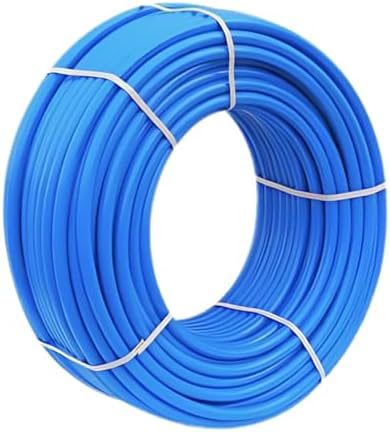
The significance of these components cannot be overstated, as they form the backbone of any water supply system. Without properly functioning water pipes and mains, the distribution of water would be inconsistent and inefficient, leading to potential health hazards and service disruptions. Furthermore, the materials utilized for constructing these infrastructures are critical in determining their longevity and performance. Common materials include ductile iron, polyvinyl chloride (PVC), and polyethylene, each offering distinct advantages in terms of durability, resistance to corrosion, and ease of installation.
In residential settings, water pipes deliver essential services such as drinking water supply, irrigation, and sanitation, while in commercial environments, they support a wider range of applications, including industrial processes and fire protection systems. The effectiveness of these water systems relies not only on the materials employed but also on the precision and standards maintained by manufacturers. Compliance with industry standards ensures that the products used are safe, reliable, and capable of withstanding environmental stresses. The manufacturers’ role is vital, as they innovate and produce pipes and mains that meet the evolving needs of urban settings, thereby enhancing overall water supply systems.
Leading Water Pipe and Water Main Manufacturers in the UK
The United Kingdom is home to numerous manufacturers specializing in water pipes and water mains, each contributing uniquely to the industry. Among the leading companies, United Utilities is known for its extensive portfolio, which includes ductile iron and PVC pipes designed for durability and efficiency. With a focus on sustainable practices, United Utilities employs cutting-edge technology to optimize their manufacturing processes, thereby minimizing environmental impact.
Wavin stands out as another significant player in the sector, renowned for its innovative drainage and supply solutions. Their products include a variety of water pipes made from high-density polyethylene (HDPE) and PVC. Wavin has invested in research and development to enhance product performance and longevity, while also embracing eco-friendly materials and methods to reduce the carbon footprint associated with water distribution infrastructure.
In the realm of emerging manufacturers, Clearwater Pipeline Solutions is gaining traction for their focus on bespoke water main installations. The company specializes in tailor-made solutions that cater to specific client needs, promising efficiency and reliability. Clearwater’s commitment to innovation is evident in their use of advanced materials and smart technologies that not only streamline manufacturing processes but also enhance the overall performance of their products.
Moreover, Aggreko has made significant contributions through its unique offerings of rental solutions for temporary water supply systems. Their flexibility in providing customized service has positioned Aggreko as a leader in helping communities manage urgent water needs during infrastructure upgrades or emergencies. By staying attuned to the evolving requirements of their customers, they continue to play an essential role in the UK water industry.
Overall, this landscape of well-established and emerging manufacturers highlights the competitive nature of the UK water pipe and water main industry, which is continually striving towards innovation, sustainability, and efficiency.
Technological Innovations in Water Pipe Manufacturing
The landscape of water pipe manufacturing in the United Kingdom has evolved significantly due to recent technological innovations. Automation has emerged as a pivotal advancement, allowing manufacturers to increase production efficiency while minimizing human error. Automated systems in the production line not only reduce labor costs but also enhance the precision of pipe manufacturing processes. This shift towards mechanization enables companies to produce water pipes at a scale and consistency that manual labor simply cannot achieve.
Furthermore, advancements in materials science have played a critical role in the development of water pipes that are more durable and resistant to various environmental factors. Traditional materials like metal and concrete have seen innovative alternatives, such as high-density polyethylene (HDPE) and polyvinyl chloride (PVC), which offer superior flexibility, corrosion resistance, and longevity. These materials extend the life cycle of water mains, thereby reducing maintenance costs and resource depletion over time. The combination of automation and advanced materials not only meets the demands of performance and reliability but also aligns with sustainability goals.
Moreover, the incorporation of smart technology into water distribution systems has transformed how water quality and flow are monitored. Smart sensors and IoT (Internet of Things) devices allow manufacturers to track real-time data on water usage and detect leaks or deficiencies swiftly. This proactive approach to monitoring enhances overall efficiency, ensuring that water distribution networks operate optimally. Many water main manufacturers are now utilizing these intelligent systems to adapt to modern challenges, such as climate variability and population growth, which increase the strain on existing water infrastructure.
In summary, the integration of automation, advancements in materials science, and smart technology collectively enhance the durability, efficiency, and sustainability of water pipe manufacturing in the UK. These technological innovations are critical in addressing the evolving challenges within the water management sector, ensuring that water distribution systems can meet future demands while safeguarding the environment.
Challenges and Future Trends in the Industry
The water pipe and water main manufacturing sector in the United Kingdom is currently navigating a complex landscape marked by various challenges. One of the most pressing issues is regulatory pressure. Manufacturers must comply with stringent government regulations aimed at ensuring the safety and reliability of water infrastructure. These regulations can lead to increased operational costs and necessitate significant investments in compliance processes. As the regulatory framework continues to evolve, manufacturers may face difficulties in adapting to new standards while maintaining profitability.
Another significant challenge for the industry is the fluctuating costs of raw materials. The prices of essential materials like plastic and metal can be volatile, influenced by global supply chain disruptions and geopolitical factors. This unpredictability can erode profit margins and complicate financial planning for manufacturers. Consequently, many companies are exploring alternative materials and innovative production techniques to mitigate the financial impact.
Additionally, climate change is exerting considerable pressure on water infrastructure. Extreme weather events, prolonged droughts, and flooding are becoming increasingly common, necessitating proactive adjustments in how water mains and pipes are designed and maintained. Manufacturers need to consider resilience and adaptability in their products, ensuring they can withstand the impacts of a changing climate.
Despite these challenges, several emerging trends are poised to influence the future of water pipe and water main manufacturing. There is a growing emphasis on sustainability, pushing companies to adopt environmentally friendly practices and materials. The shift towards a circular economy encourages the recycling of materials and the reduction of waste in manufacturing processes. Furthermore, greater collaboration between manufacturers and utility companies may enhance the overall efficiency and effectiveness of water delivery systems. As the industry continues to evolve, stakeholders can expect a focus on innovative solutions that prioritize sustainability and resilience.
Contact information at http://www.abshot.com/contact/